Buyer programme opens for 2026 with stricter factory verification
The council's annual buyer matching cycle now begins with an on-site verification step before any factory profile is released to overseas importers.
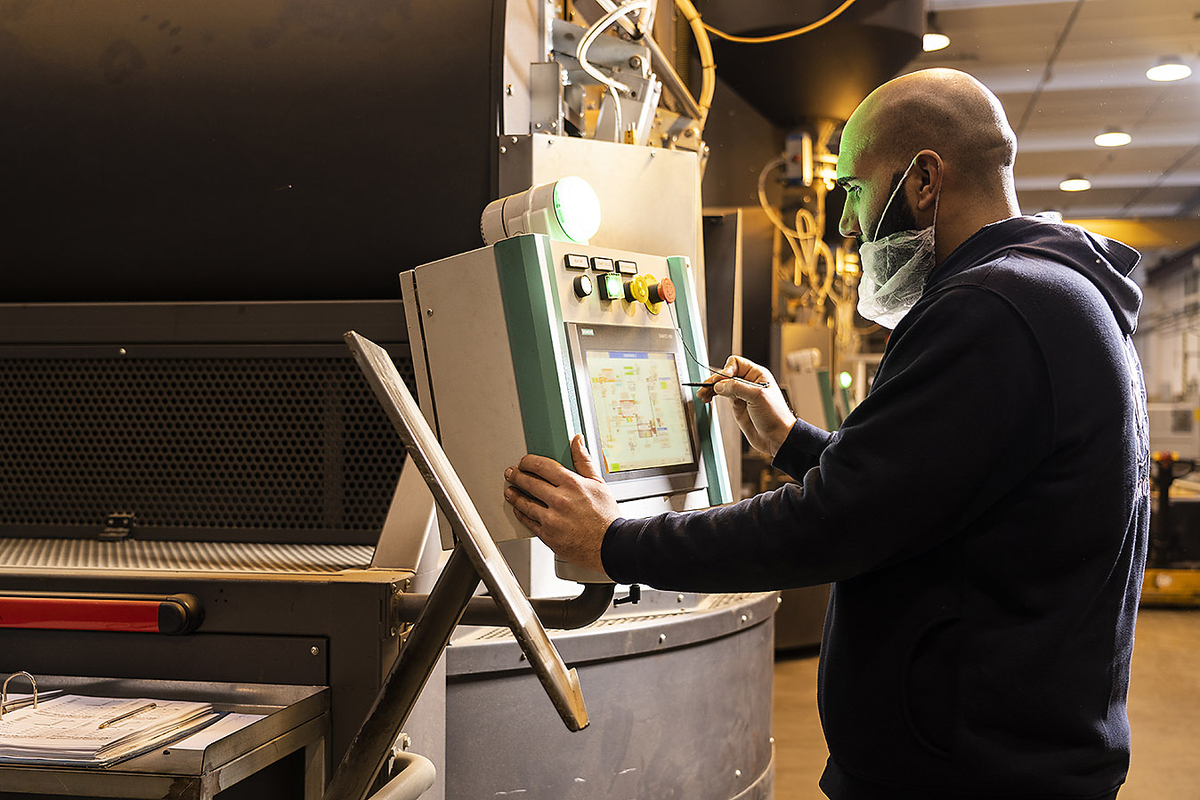
The 2026 buyer programme opened this week with a change to the front end of the process. Factory profiles are no longer released to importers on the strength of a self-declaration; a council officer or an appointed third-party auditor visits the plant, checks the certificate register against the physical production floor, and signs off the profile before it enters the matching pool.
The change follows feedback from European procurement teams, several of whom asked why two factories with identical certificate lists could behave so differently during a tender. The answer, in most cases, was that one of the two had let a line run without the process controls its file described.
Verification covers six items: legal entity and export licence, quality certificate validity and scope, latest social compliance audit, allergen and residue testing records for dipped goods, traceability from raw material lot to finished carton, and treatment of subcontracted processes such as sterilisation or printing.
Importers registered before 31 March are matched first. The council expects to process around 240 buyer briefs this year, with glove, catheter and automotive rubber categories accounting for the bulk of requests.
The council publishes these notes for members and registered buyers. Figures quoted in market updates are industry estimates and should be verified before a contract is priced.